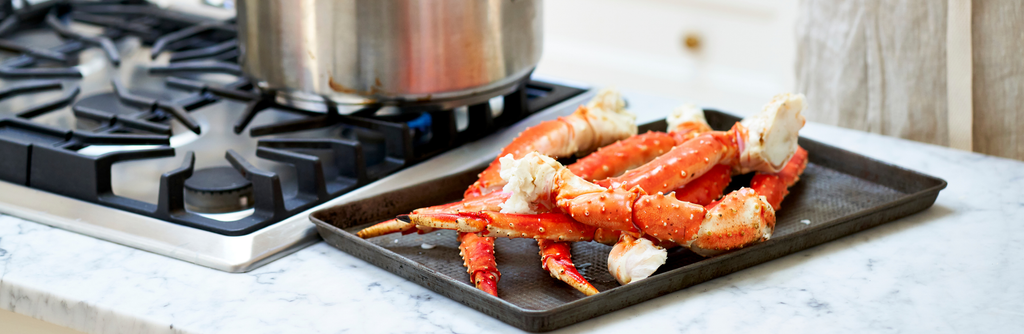
Reheating King Crab Legs: Master the Art of Not Overcooking
Few culinary delights rival the impressiveness and exquisite taste of Alaskan King Crab legs. Whether you're planning a lavish holiday feast or a special weeknight indulgence, knowing how to cook Alaskan King Crab legs to perfection is key. The secret, which many home cooks overlook, is that most King Crab legs purchased from seafood markets or grocery stores are actually already cooked and flash-frozen immediately after being harvested. This crucial detail means your goal isn't to cook them, but rather to gently reheat them to preserve their naturally sweet, delicate flavor and tender texture without drying them out or making them rubbery. Master this art, and you'll consistently deliver a five-star meal right in your own kitchen.
The immediate cooking and freezing process serves several vital purposes: it locks in freshness, maintains food safety, and allows this highly prized seafood to be enjoyed far beyond the Alaskan coastlines. This guide will walk you through the essential steps, from thawing to serving, ensuring every bite of your King Crab is as magnificent as it should be.
The Crucial First Step: Thawing Your King Crab Legs Properly
Before you even think about reheating, proper thawing is paramount. Rushing this step can negatively impact the crab's texture and flavor. Never attempt to reheat King Crab legs from a frozen state, as this will lead to uneven cooking, with the exterior becoming overcooked while the interior remains cold.
Recommended Thawing Methods:
- Refrigerator Thawing (Recommended for Best Results): The safest and most effective method is to place your frozen King Crab legs in a shallow pan or on a plate in your refrigerator the night before you plan to cook them. This allows for a slow, gradual thaw, which is ideal for maintaining the meat's integrity. Depending on the size and quantity, this can take 8-12 hours.
- Cold Water Thawing (Faster Alternative): If you're short on time, you can thaw frozen crab legs in cold water. Place the crab legs in a sealed plastic bag (to prevent water from seeping in and making the crab soggy) and submerge them in a large bowl or sink filled with cold water. Change the water every 30 minutes to keep it cold. This method typically takes 30-60 minutes per pound of crab.
Once thawed, always rinse the crab legs under cool running water. This helps remove any ice crystals or residual briny bits from packaging. Pat them dry with paper towels before proceeding to your chosen reheating method. Avoid using hot water or a microwave for thawing, as these can partially cook the crab, leading to tough, dry meat.
Mastering the Art of Reheating: Popular Methods for King Crab Legs
Now that your King Crab legs are perfectly thawed, it's time to choose your reheating method. Remember, the goal is gentle warming, not cooking. Here are three popular and highly effective techniques:
1. Steaming for Tender, Moist Results
Steaming is often considered the best method for reheating King Crab legs because it introduces moisture, preventing the delicate meat from drying out. It's quick, easy, and yields consistently succulent results.
How to Steam King Crab Legs:
- Prepare Your Pot: Use a large stock pot with a steamer basket or an insert that keeps the crab legs above the water line. Fill the pot with about 1-2 inches of water, ensuring it's just below the basket.
- Add Flavor (Optional): For an extra layer of flavor, consider adding aromatics to the water such as lemon slices, a bay leaf, a splash of white wine, or a tablespoon of Old Bay seasoning.
- Bring to a Boil: Heat the water to a rolling boil over high heat.
- Add Crab Legs: Carefully place the thawed King Crab legs into the steamer basket. Avoid overcrowding the pot; if necessary, reheat in batches.
- Steam Gently: Reduce the heat to a simmer, cover the pot tightly, and steam for 5 to 7 minutes. The crab legs are ready when they are thoroughly heated through, fragrant, and the shells turn a vibrant red-orange.
- Serve: Carefully remove the crab legs using high-heat tongs. A quick rinse under warm water can remove any condensed steam before plating. Serve immediately with melted butter and fresh lemon wedges.
Pro Tip: Don't overdo it! Five to seven minutes is usually ample time for thawed crab. Over-steaming will make the meat rubbery.
2. Grilling for a Smoky Twist
Grilling offers a fantastic alternative, infusing your King Crab with a delicious smoky flavor and attractive char marks. This method is perfect for summer gatherings and adds a unique dimension to the classic crab experience. For more detailed comparisons of reheating methods, you can explore our guide on Steam, Grill, or Bake: Best Ways to Cook King Crab Legs.
How to Grill King Crab Legs:
- Prepare the Crab: Brush the thawed crab legs generously with olive oil or melted butter. You can also add garlic powder, paprika, or other seasonings for extra flavor.
- Preheat the Grill: Heat your outdoor grill or charbroiler to a medium-low temperature, around 300-325°F (150-160°C). A moderate heat prevents the delicate meat from drying out too quickly.
- Grill: Place the King Crab legs directly onto the grill grates.
- Reheat and Flip: Cook for 5-7 minutes, then carefully flip the legs and cook for an additional 5-7 minutes, or until thoroughly heated through and slightly charred. The internal temperature should reach 135-140°F (57-60°C).
- Serve: Remove from the grill and serve immediately with your favorite dipping sauces.
Grilling Insight: Keep a close eye on the crab to prevent scorching. If using direct heat, ensure your grill isn't too hot, as the goal is to warm, not burn, the shells.
3. Baking for Oven-Steamed Perfection
If you don't have a steamer or prefer the convenience of your oven, baking can achieve similar moist results, especially when you create a "steaming" environment within your baking pan.
How to Bake King Crab Legs:
- Preheat Oven: Preheat your oven to 350°F (175°C).
- Prepare Baking Pan: Arrange the thawed King Crab legs in a single layer in a shallow baking pan.
- Add Moisture: Pour a small amount of water (about 1/8" to 1/4" deep) into the bottom of the pan. This will create steam during baking. For added flavor, you can use white wine or broth instead of water.
- Season and Cover: Brush the crab legs with melted butter, lemon juice, or your preferred seasonings. Tightly cover the baking pan with aluminum foil. This traps the steam, ensuring the crab remains moist.
- Bake: Bake for 8-12 minutes, depending on the thickness of the legs, or until thoroughly heated. Again, aim for an internal temperature of 135-140°F (57-60°C).
- Serve: Carefully remove the foil (watch out for steam!) and serve immediately.
Baking Tip: The foil is your friend here! It's essential for replicating the moist environment of steaming. Without it, the crab can easily dry out.
Tips for Perfect King Crab Legs Every Time
- Don't Overcook: This cannot be stressed enough. King Crab legs are already cooked. Overheating them is the fastest way to ruin their delicate texture and sweet flavor, making them tough and stringy.
- Internal Temperature: While visual cues are often sufficient, an instant-read thermometer inserted into the thickest part of the meat (avoiding the shell) can confirm it's heated through to 135-140°F (57-60°C).
- Seasoning is Simple: King Crab is naturally flavorful. A squeeze of fresh lemon and a dip in melted clarified butter or garlic butter is often all you need. You can also experiment with a sprinkle of Old Bay, paprika, or a touch of cayenne for a kick.
- Serving Suggestions: Beyond butter and lemon, consider serving King Crab with fresh crusty bread to soak up the juices, a light salad, or roasted vegetables. For a truly luxurious experience, this Alaskan delicacy can stand alone as a decadent main course. For more ideas on elevating your crab meal, see Alaskan King Crab: Easy Steps for a Five-Star Meal at Home.
- Tools for Enjoyment: Have crab crackers, seafood forks, and plenty of napkins ready for a mess-free and enjoyable experience.
Conclusion
Reheating Alaskan King Crab legs doesn't have to be intimidating. By understanding that they are pre-cooked and focusing on gentle, even warming, you can achieve restaurant-quality results at home every time. Whether you choose steaming, grilling, or baking, the key is to prioritize moisture retention and avoid overcooking. Follow these simple steps and tips, and you'll be well on your way to mastering the art of preparing succulent, flavorful King Crab legs that will impress even the most discerning palates. Enjoy this incredible seafood delicacy!
